Living Displays in the museum - Women Behind the Front
March 14 & 15 | 11:00 AM – 5:00 PM
March is recognized worldwide as Women's History Month, a period dedicated to highlighting the role of women in history. Women also played a crucial role during World War II, often behind the front lines but of immeasurable value.
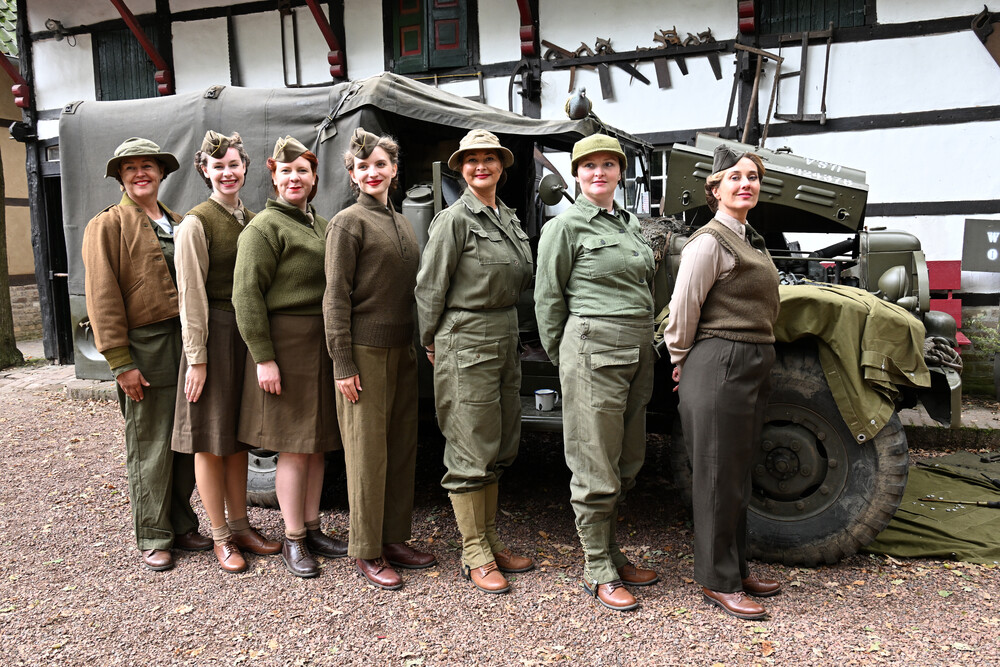
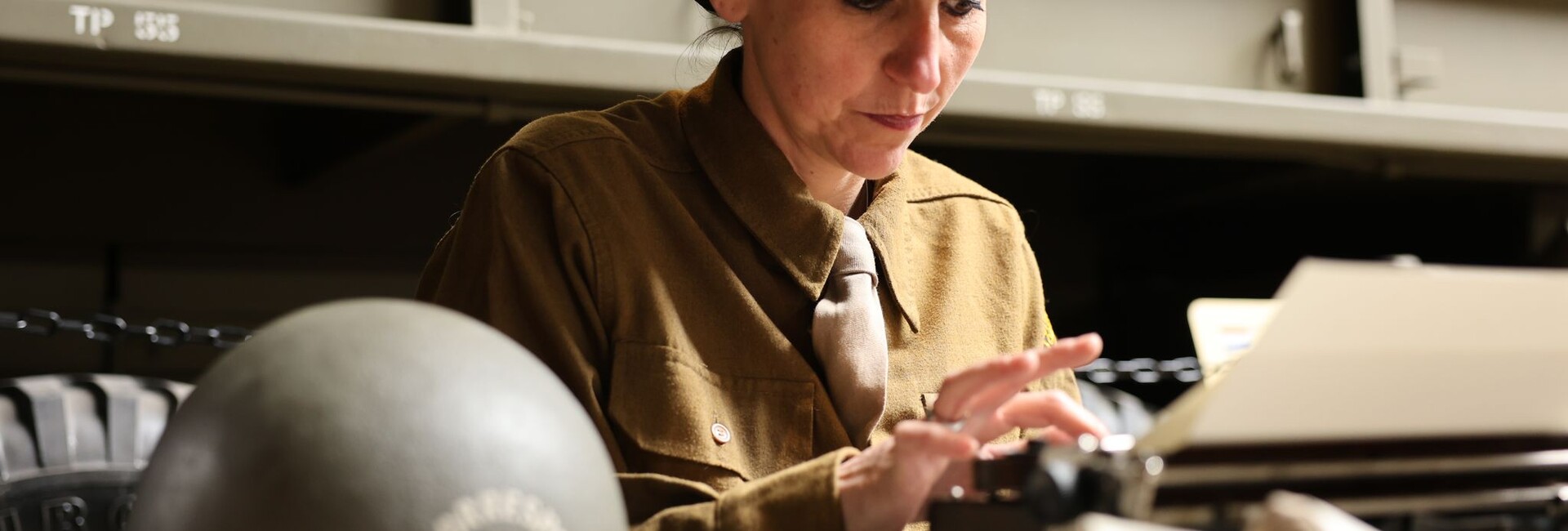
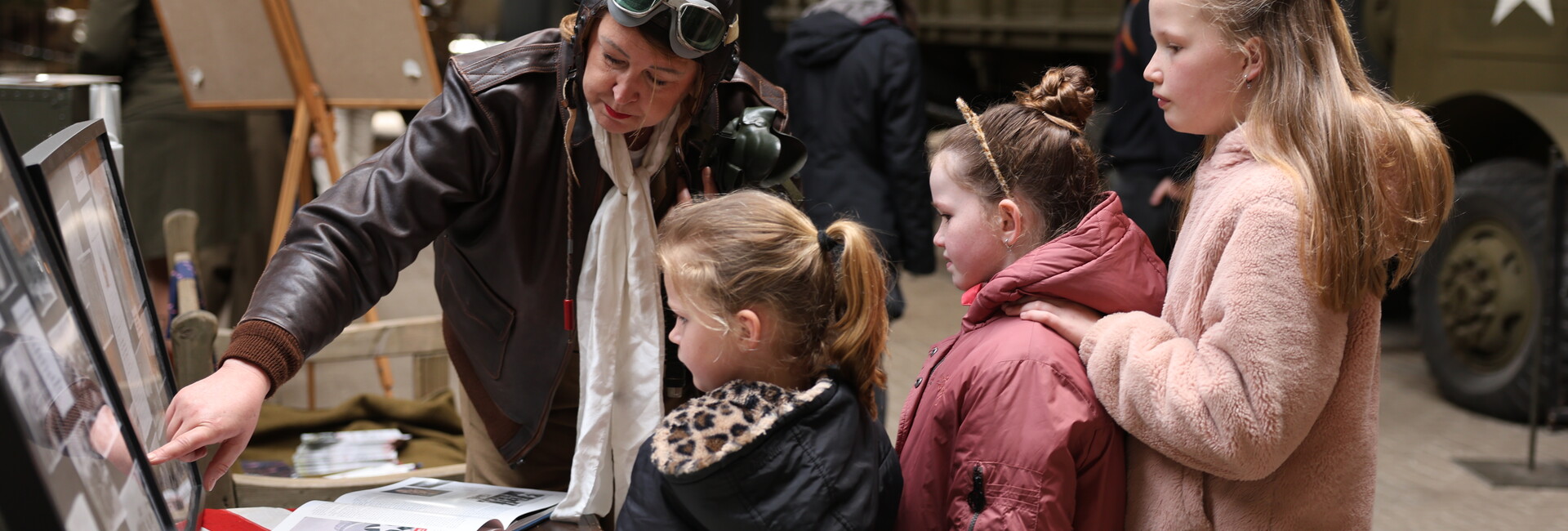
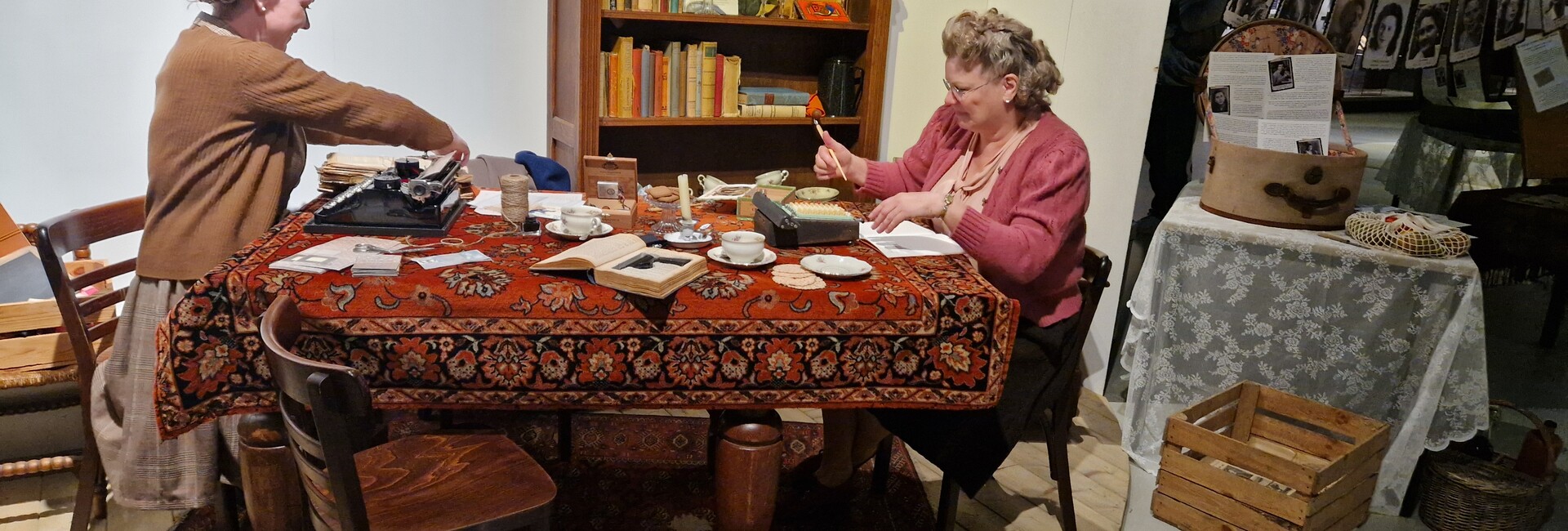
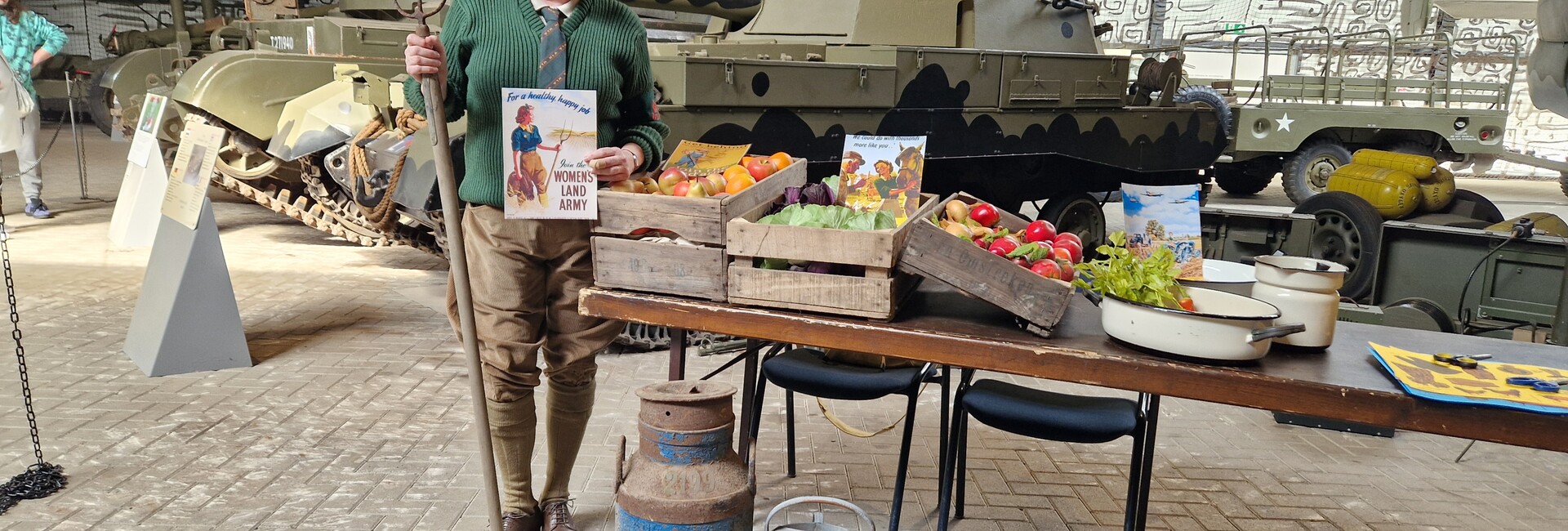
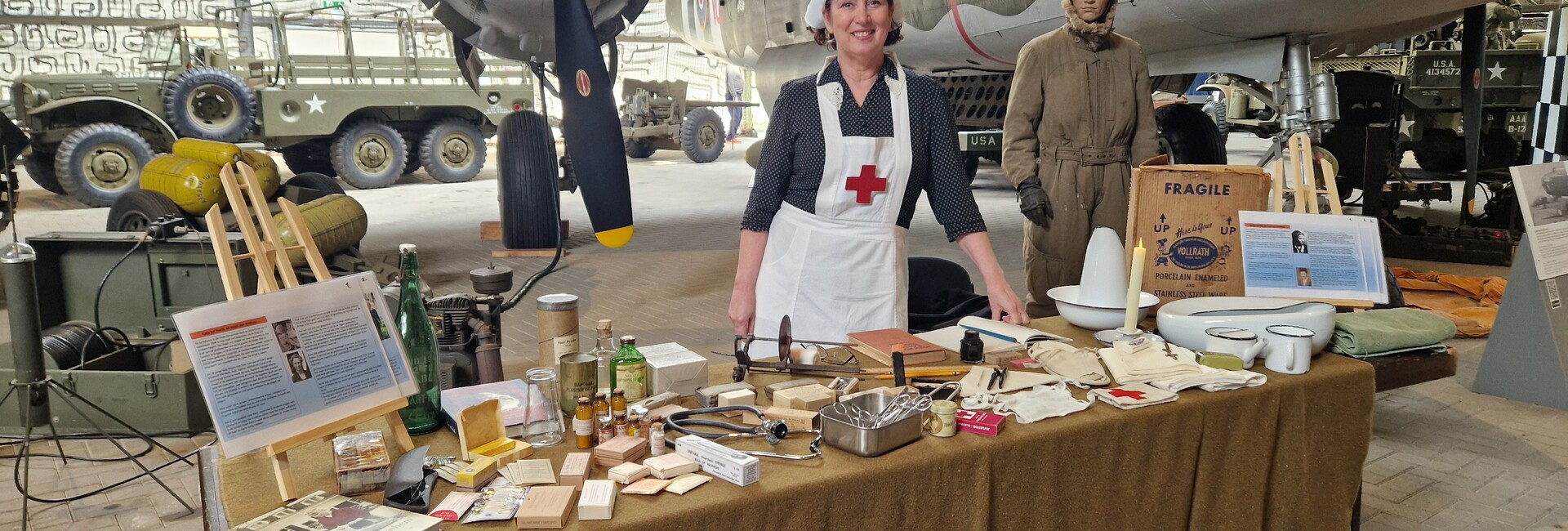
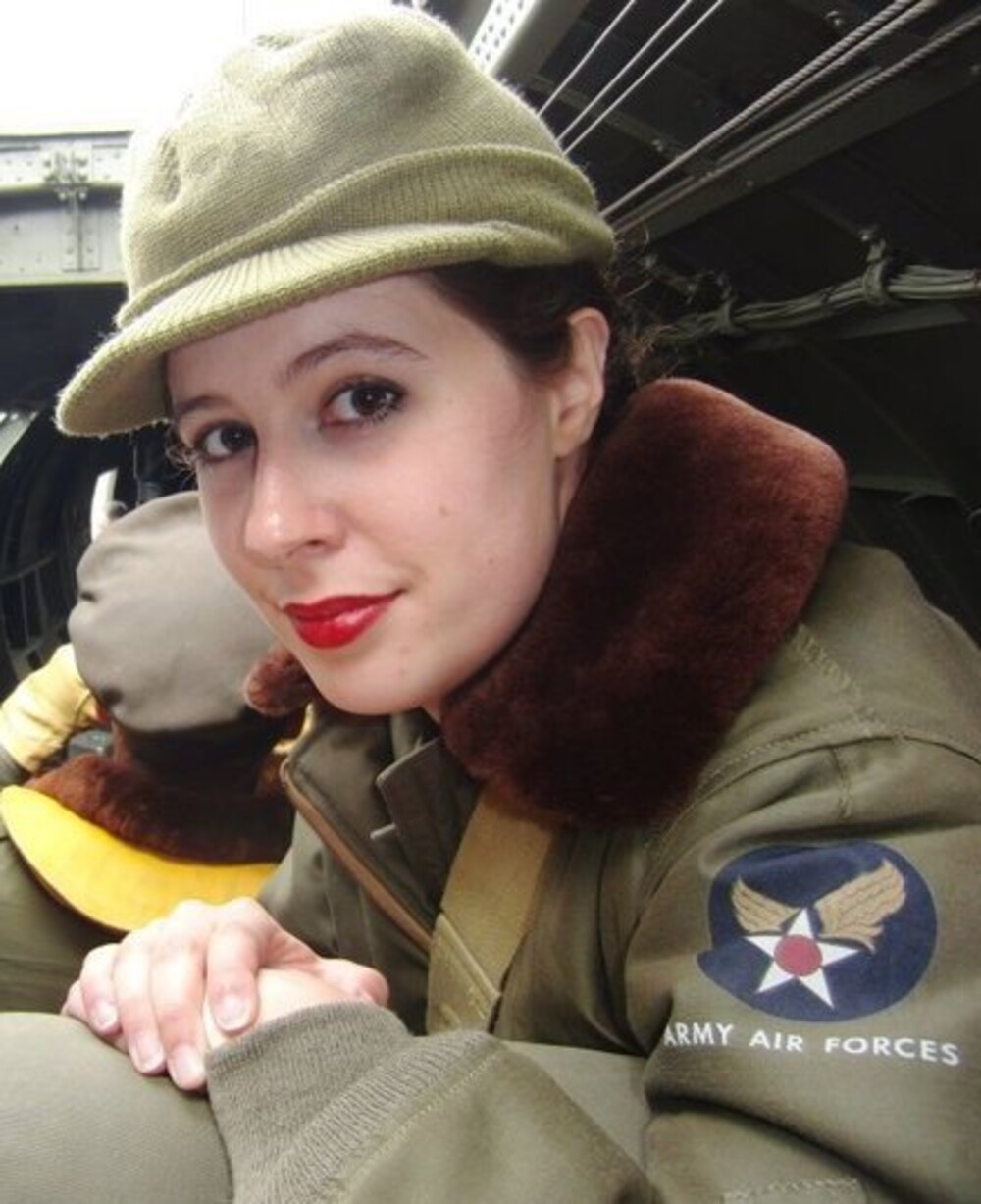
At Overloon War Museum, we like to take this a step further. On Saturday, March 14, and Sunday, March 15, from 11:00 Am to 5:00 PM, female re-enactors will present various living displays in the museum. They will introduce visitors to different perspectives from the war years - including American, British, and Dutch and bring the various roles of women to life.
Daily Lecture - 1:00 PM
The Women's Army Corps during WWII
By Emmelie Geeraedts
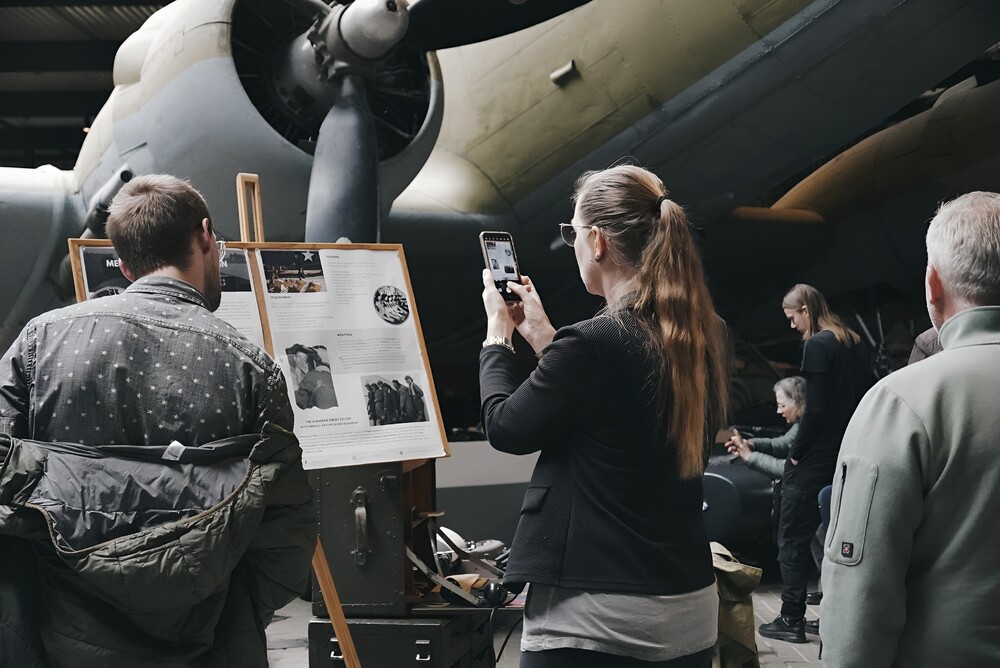
Every day at 1:00 PM, Emmelie Geeraedts gives a lecture on the Women's Army Corps during World War II.
The role of women during wartime is still an underexplored topic. For example, many people do not know that thousands of women actually served as military personnel.
This lecture covers:
-
The establishment and training of the WAC
-
The many roles women held within the army
-
Their presence on various fronts worldwide, with special attention to Europe
-
Notable figures such as Oveta Culp Hobby
-
The famous African-American postal unit, the 6888th Central Postal Directory Battalion
Additionally, the role of women in the war is placed in a broader historical context. The lecture demonstrates how the large-scale involvement of women during World War II had a lasting impact on the position of women in society – to this day.
Duration: approximately 60 minutes.
Questions can be asked at the end of the lecture.
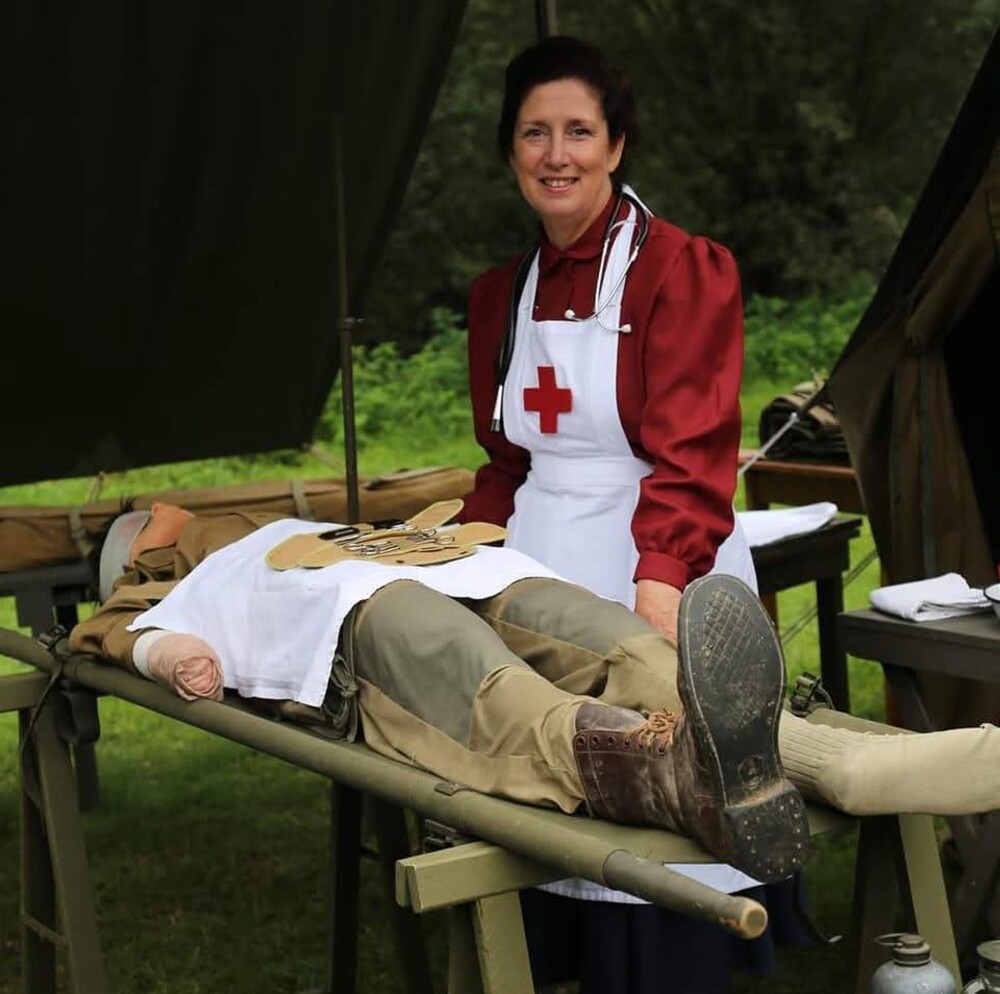
Civilian Nurses
In areas of heavy fighting, not only military nurses were active. Civilian nurses from hospitals, the Red Cross, and even ordinary women provided medical assistance to the wounded, often at great personal risk.
Famous examples include Kate ter Horst, who cared for wounded soldiers in her home during the Battle of Arnhem, and Renée Lemaire, a Belgian nurse who died in a bombing during the Ardennes Offensive. Koos van Schaik also helped wounded soldiers and civilians.
Their stories are well known, but they were not alone. Countless other women dedicated themselves wholeheartedly, sometimes literally making the difference between life and death.
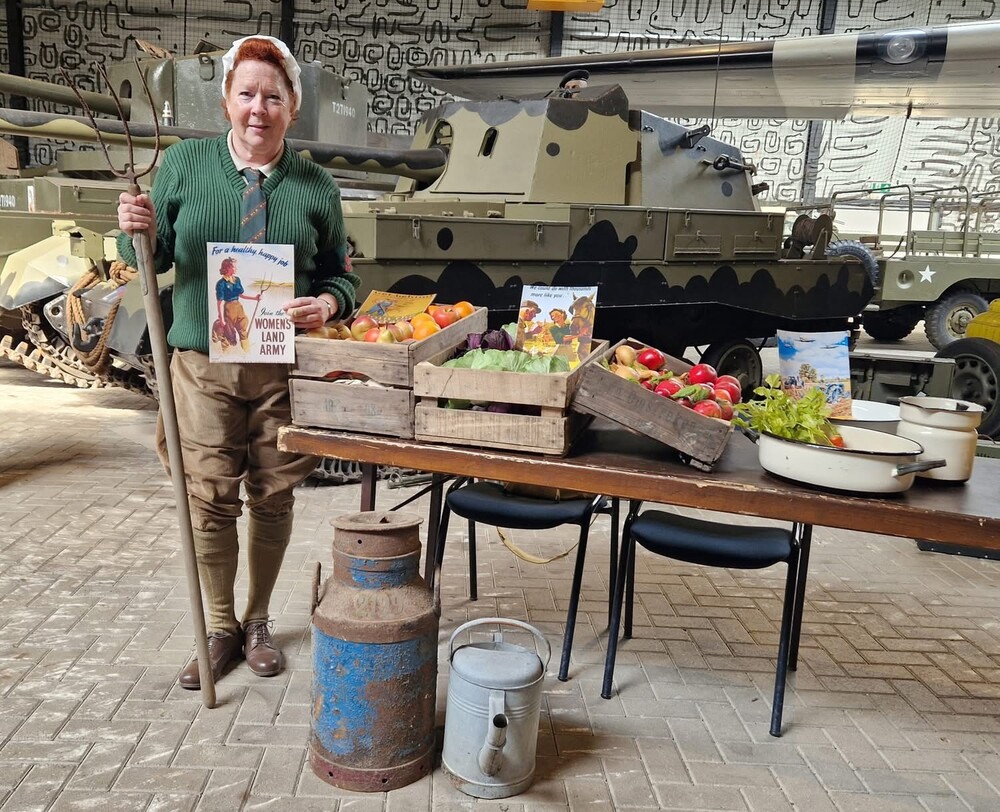
Land Girls
The Women's Land Army played an important support role during both World War I and World War II.
The organization was founded in 1917 by the British Ministry of Agriculture to employ women on farms as replacements for men serving in the military. It was reactivated in 1939. The women – better known as “Land Girls” – worked in all weather conditions and carried out a wide range of tasks:
-
Harvesting crops and supporting food production
-
Working in forestry as “Lumber Jills”
-
Assisting in land reclamation and other agricultural projects
At its peak in 1944, more than 80,000 women were active in the organization. Thanks to their efforts, Britain remained supplied with food during the war years.
WACs on Wheels
The Women’s Army Corps (WAC) was established in the early years of World War II to free men for combat roles. At the time, many military positions were still inaccessible to women within the United States Armed Forces.
WAC women worked in around 300 different professions, including the Transportation Corps, the logistics branch of the U.S. Army. Their work involved:
-
Transporting personnel and equipment
-
Route planning and logistical coordination
-
Vehicle maintenance
-
Port operations and preparation for military missions
Their contribution was essential to the logistical support of the Allied war effort.